Bio-resource Clusters
Microorganisms
Cluster Open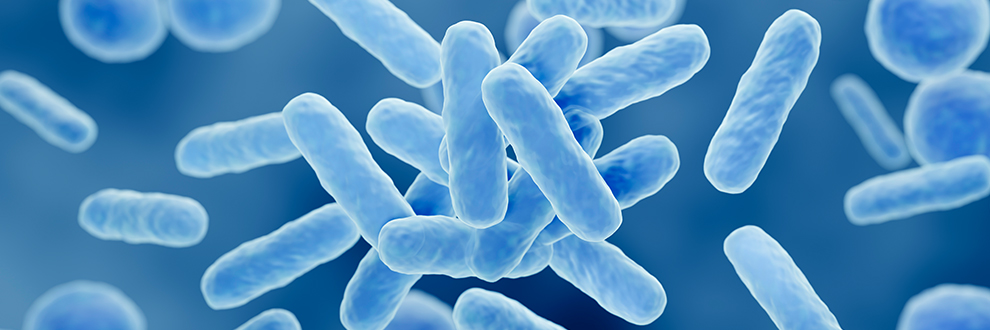
What are microorganisms?
- They are small organisms, excluding animals and plants, and include viruses, bacteria, yeasts, molds, fungi, algae, and protozoa.
- They are classified into all prokaryotes (archaea and bacteria), some eukaryotes (yeasts, molds, fungi, microalgae, protozoa), and acellular entities (viruses, etc.).
Applications
Medical technology and pharmaceutical development
Agriculture and food development
Development of fine chemical products
Why is microbial resource research and industrial development important?
- Leading countries such as the United States and Europe have expanded R&D investment and policies for microbial resources with high industrial value, including applications in medical technology, drug development, and agriculture.
- The entry into force of the Nagoya Protocol in October 2014, recognizing sovereign rights over biological resources, has prompted paradigm shifts and the development of national policies worldwide to discover and protect domestic biological resources.
- Support is needed for academic research and national-level development of foundational technologies for R&D and utilization of microorganisms, which play a significant role in various industries and economic activities.
Through the operation of the “Microbial Cluster for Enhancing and Advancing the Utilization of Microbial Resources,” support is provided for microbial distribution, information services, resource utilization services, and education, aiming to secure excellent domestic biological resources and create added value.
Key institutions and research cases on microbial resources
Microbial Cluster and Central Bank
- Microbial Cluster: Promotes enhanced utilization of microbial resources and advancement of infrastructure
- Supports the integration of resource information from two resource banks and provides resources so that researchers can access a wide variety of microbial resources
Central Bank ①
KRIBB Korean Collection for Type Cultures (KCTC) and Research Cases
KRIBB Korean Collection for Type Cultures (KCTC) and Research Cases
- Secures and Provides microbial resources to support biotechnology R&D as Korea’s largest repository for patented and standard microbial strains
- Conducts research including comparative whole-genome analysis of gut microbiota between Koreans and non-Koreans
Central Bank ②
RDA Korean Agricultural Culture Collection (KACC) and Research Cases
RDA Korean Agricultural Culture Collection (KACC) and Research Cases
- Serves as the central bank for microbes used in agriculture and food industries
- Conducts research on “Preservation and Integrated Management of Agricultural Microbial Resources” to ensure diversity, safe preservation, management, and digitalization of agricultural and food-related microbial resources
Notice
Login is required
Login is required to use the smarter search experience, BioOne-GPT.
Proceed to login?
