Bio-resource Clusters
Wild Organisms
Cluster Open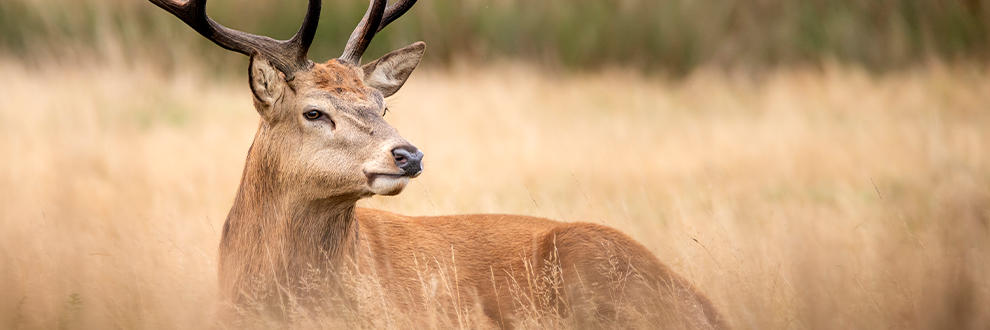
What are wild organisms?
Vertebrates that are not domesticated, living freely in mountains and fields — including mammals, birds, reptiles, amphibians, and fish — as well as terrestrial and aquatic plants and animals
- Mammals
- birds
- reptiles
- amphibians
- fish
- invertebrates
- insects
- vascular plants
- fungi
- algae
- non-vascular plants
Why are wild biological resources important?
- Since the enforcement of the Nagoya Protocol in 2014, the importance of biological sovereignty has grown, demonstrating the need to develop high value-added resources and foster industries utilizing marine biological resources.
- Excessive resource use and coastal environmental changes have led to the depletion crisis of marine biological resources, making it essential to develop research technologies for their restoration and management.
Systematic discovery and management of indigenous organisms, along with the acquisition and utilization of genetic information, are being promoted as part of various activities to enhance biodiversity conservation.
Status of the wild organism cluster
Wild biological resources at the core of a sustainable future
- National Institute of Biological Resources (NIBR) Wild Bio-Resource Bank : Conservation of biodiversity and securing biological resources (Wild Organism Cluster Central Bank)
- Nakdonggang National Institute of Biological Resources (NNIBR) : Specialized institution for freshwater organisms
- Honam National Institute of Biological Resources (HNIBR) : Focused on island and coastal areas
Dedicated to conserving wild organism diversity and promoting their sustainable use — wild organisms possess boundless potential value for the future!
Notice
Login is required
Login is required to use the smarter search experience, BioOne-GPT.
Proceed to login?
