Bio-resource Clusters
Human-derived Resources
Cluster Open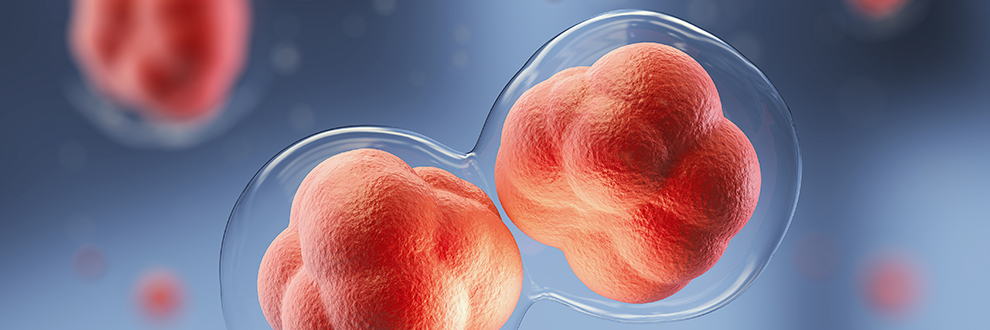
What are human-derived resources?
- Human-derived resources refer to components collected or obtained from the human body—such as tissues, cells, blood, and bodily fluids—or substances isolated from them, including serum, plasma, chromosomes, DNA, RNA, and proteins. Human biological resources encompass human-derived resources together with associated clinical and epidemiological information of the donor, as well as genetic information analyzed from these resources.
- Human-derived resources refer to human components collected or obtained from the body, such as tissues, cells, blood, and bodily fluids, or substances isolated from them, including serum, plasma, chromosomes, DNA, RNA, and proteins.
- Human resources encompass human-derived resources along with the donor’s clinical and epidemiological information, as well as genetic information analyzed from these resources.
Applications
Why is the collection and research of human-derived resources important?
- In the post-genome era, utilizing human resources accelerates the development of disease prevention, diagnosis, and treatment methods.
- As genetic differences can affect disease onset, risk levels, diagnosis, and treatment methods, securing a greater quantity, higher quality, and more diverse human resources is crucial for developing treatment technologies.
- Genes associated with diseases vary by race, ethnicity, and individual, making research and human resources tailored to Korean genetic characteristics necessary for personalized treatments.
Secures human resources in a systematic manner by building the Korea Biobank Network (KBN) and promotes various research projects to advance domestic healthcare research and technology
Human-derived resources-based research cases
Human-derived resources such as blood, urine, and DNA are collected from the general population to identify causal and risk factors for chronic diseases, and to conduct follow-up studies on disease onset and lifestyle changes.
Human-derived resources (DNA, serum, plasma) are collected from participants of the Korea National Health and Nutrition Examination Survey to assess immunity to national infectious diseases and to serve as research resources for chronic disease studies and national healthcare research.
The Korea Biobank Project established the Korea Biobank Network (KBN) with 17 private biobanks to collect disease-based human resources and promote domestic healthcare R&D. The 4th phase (since 2021) expanded to 35 private biobanks, research institutes, and industry, forming a nationwide system and a value-creating biobank ecosystem.
This project builds clinical and genetic data of over one (1) million Koreans to identify disease-causing genes and develop treatments, currently applied for the collection of human-derived resources from rare disease patients and for their diagnosis and treatment development.
Notice
Login is required to use the smarter search experience, BioOne-GPT.
Proceed to login?
